For elementary school principals and educators · An emerging concept

A new approach to school music.
Built on decades of experience.

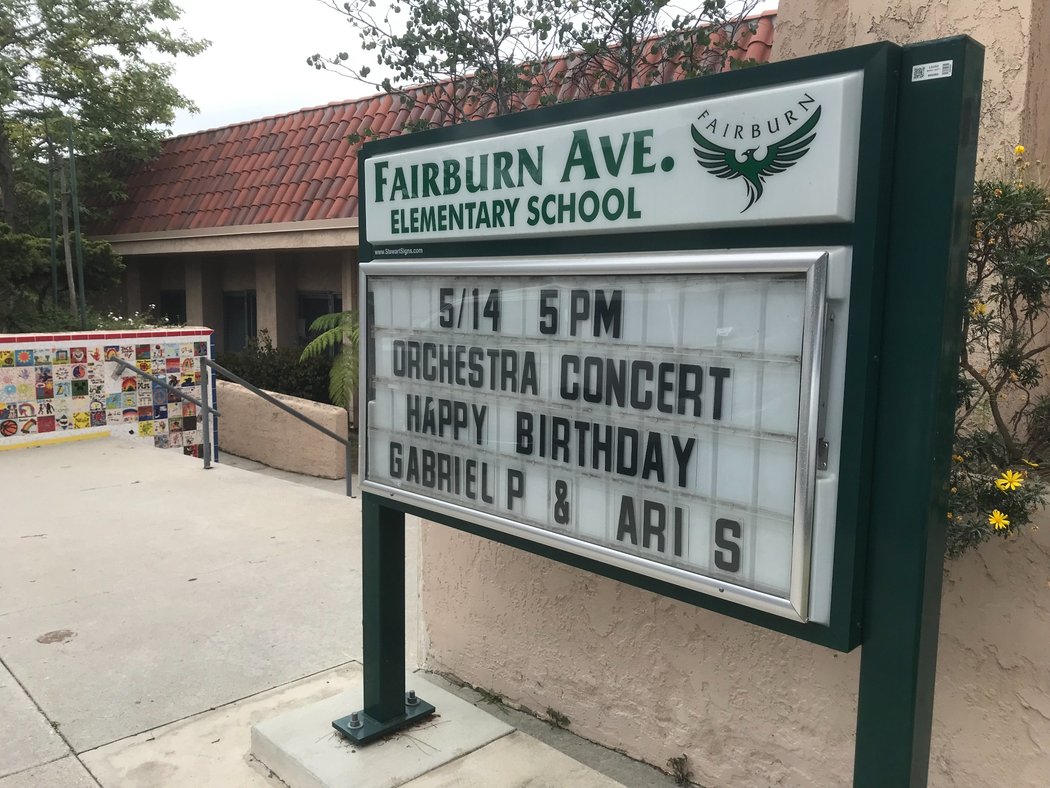
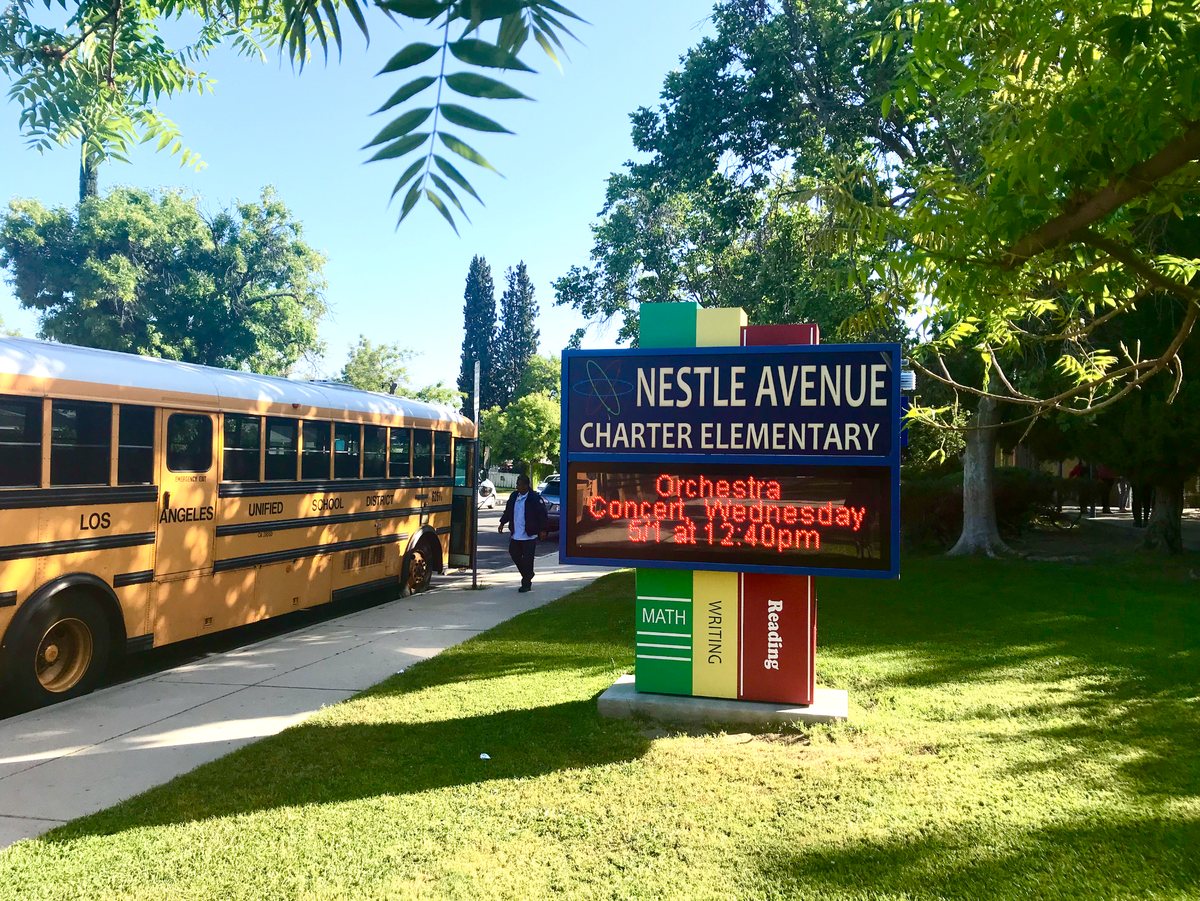
Since 1994, Children's Music Workshop has provided instrumental music programs in more than 80 Los Angeles-area schools. Now we're exploring a way to help children practice at home with an interactive AI version of a music teacher—and come together at their local school with the real teacher to play music as an ensemble.

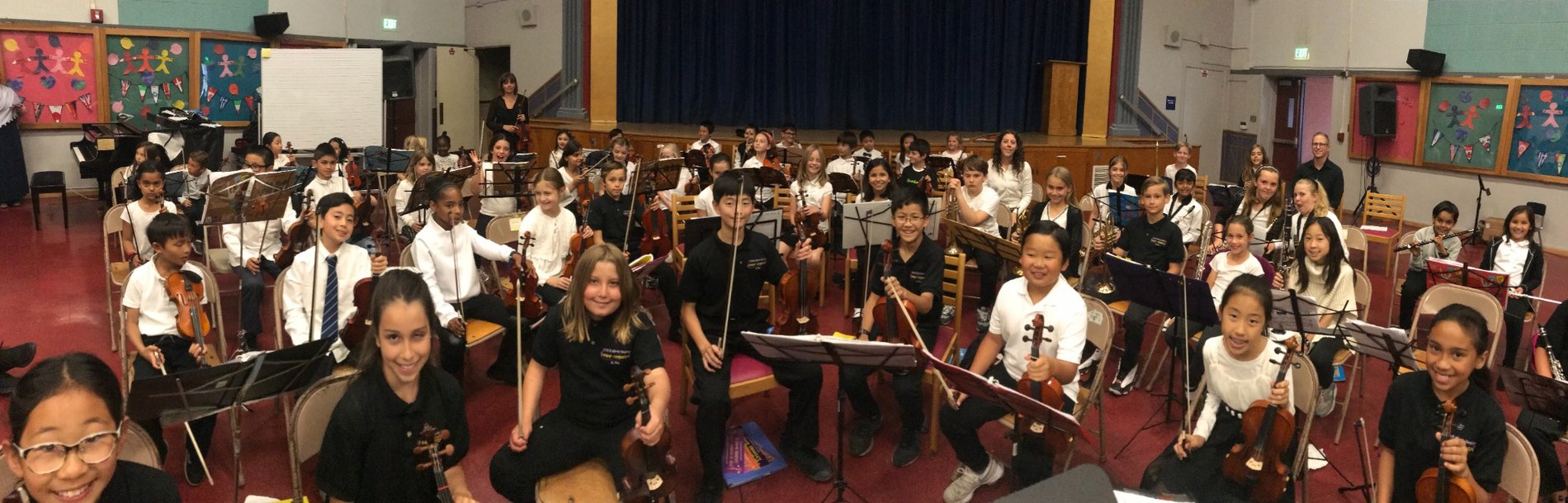
Elementary school orchestra students gathered with their instruments and teachers in a school auditorium
A school orchestra in its own community — the kind of music-making our programs have supported for decades.
80+Los Angeles-area schools served
35+Years of instrumental program experience
10,000+Students who have benefited from Children's Music Workshop programs
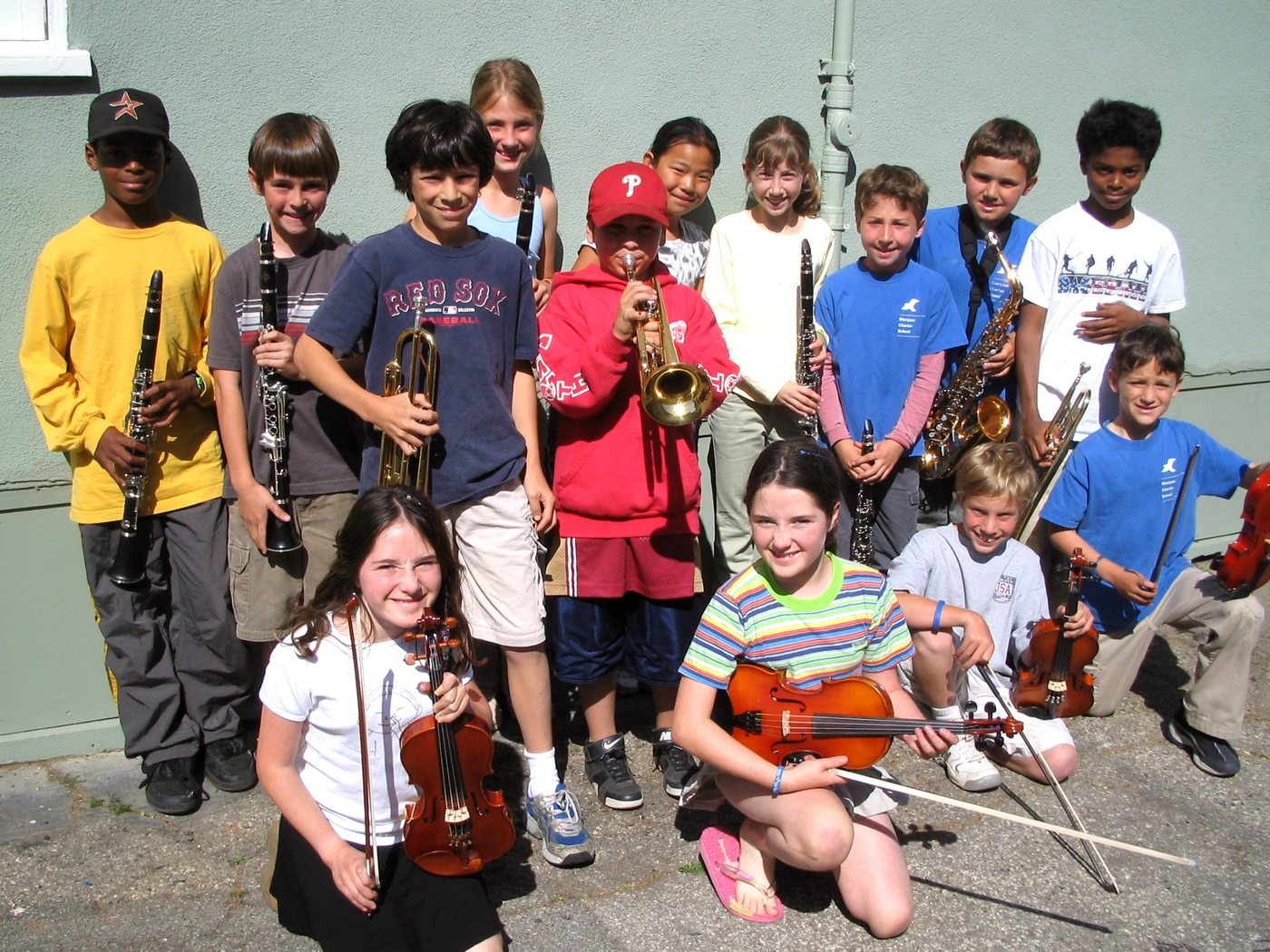
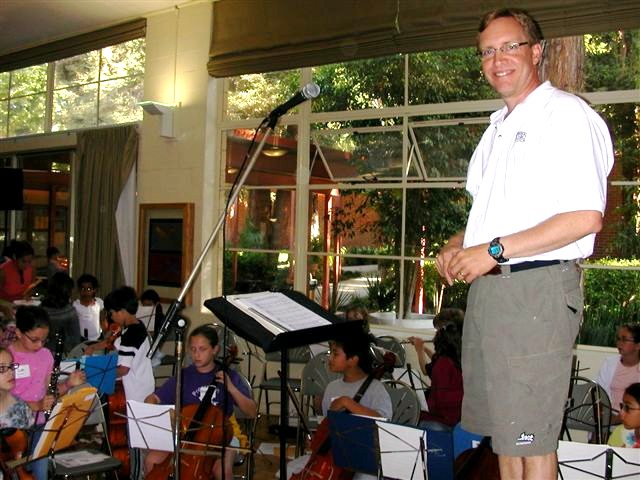
Larry Newman with elementary school musicians during an in-person instrumental music program
A history of teaching children

Experience in classrooms—not just technology.

Children's Music Workshop has organized and operated elementary instrumental music programs across the Los Angeles area for decades, bringing teachers to schools, teaching small groups, and building bands and orchestras.

When COVID disrupted in-person instruction, our program continued teaching approximately 500 students online—including young beginners. That experience reinforced how much clear instruction, family support, and real teacher relationships matter when children are learning at home.

Our Music Fun Books curriculum, experienced faculty, and long-running Honor Orchestra provide an established instructional and performance foundation for this exploration. Our experience includes public, charter, independent, and faith-based school communities. Learn more about our previous school programs.
Our school music programs

Bringing music into school communities.

The proposed learning model

Practice when it works. Make music together.

The aim is not an online-only music school. It's a local school music program with more support between the times students see their teacher in person.

01 / AT HOME

A familiar teacher, more often

A child could speak with an interactive AI version of the school's music teacher to review assignments and practice at a convenient time—after soccer, before dinner, or on a weekend. A future version might also check simple notes and rhythms.

02 / AT THE LOCAL SCHOOL

Real instruction. Real classmates.

Students would gather periodically on their own school campus with the actual music teacher for group guidance, ensemble rehearsals, listening, and playing together. The same teacher would connect both experiences.

03 / IN PERFORMANCE

Music becomes a community

Students would work toward the joy of performing as a band or orchestra. More experienced musicians could have opportunities to pursue larger ensemble experiences such as Honor Orchestra.

The technology is a practice aid. The teacher-student relationship and the ensemble are the heart of the program.
Why a principal might be interested

More individual preparation. More meaningful ensemble time.

School schedules can make it difficult to offer frequent instrumental instruction to every child. Families also juggle homework, sports, and other activities.

The idea is to explore whether supervised, curriculum-based practice help at home could give children more opportunities to review a lesson—so that valuable in-person time can be focused on teaching, listening, collaborating, and making music together.

These are goals to investigate, not outcomes we are claiming to have demonstrated.

A group of smiling elementary-age students with their band and orchestra instruments
Thoughtful, responsible development

We share the questions parents and principals will ask.

Can it accurately help a beginner? Will children still have real teachers and friends? What will it do with a child's voice or other information? These questions have to be answered before a school-based rollout.

What we would explore first

A small, parent-supervised beginner violin trial based on specific Music Fun Books lessons, with short guided exercises and human review. We would evaluate engagement, learning value, musical accuracy, and usability before expanding.

What we would not assume

A talking AI face is not yet the same thing as a skilled instrumental teacher. Reliable feedback on tone, bowing, posture, and intonation requires careful testing. Student privacy, parental consent, teacher oversight, and school requirements would be essential to any future school pilot.

School Music AI is currently in research and development. This page describes a proposed model, not a program presently offered to schools or an announced district partnership.

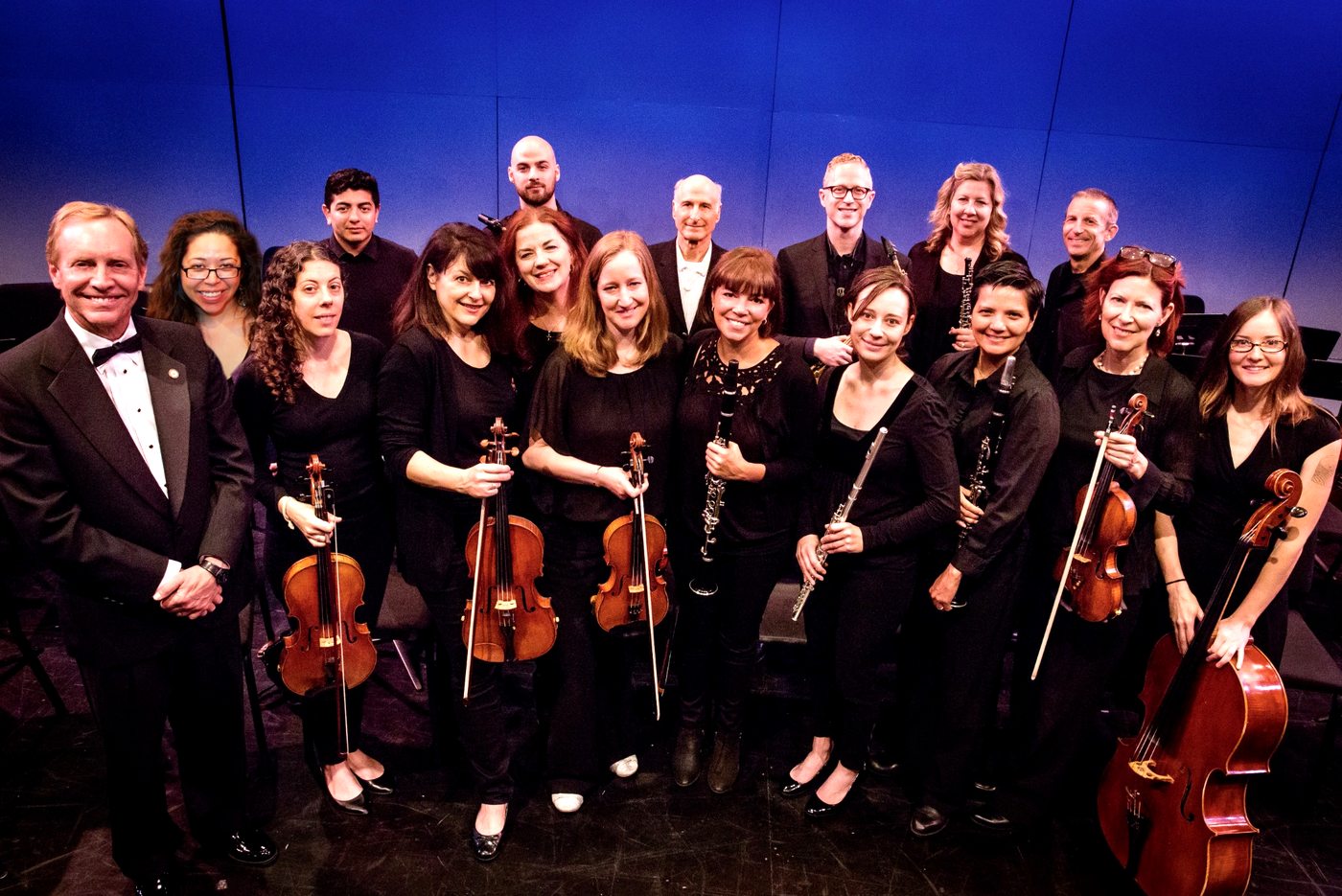
Larry Newman at left with the Children's Music Workshop music teaching faculty
Larry Newman (left) with the Children's Music Workshop music teaching faculty.
The people behind the vision

Real music educators remain central.

The project builds on experienced teachers, established instrumental teaching materials, and a tradition of students playing together. Our goal is to extend the reach of good teaching—not replace the musicians and educators who make school programs possible.

We believe a thoughtful blend of individual preparation and in-person rehearsals could help schools preserve the musical experiences children remember for a lifetime. The proposed approach builds from our experience coordinating student enrollment, teachers, instructional materials, and live performances.

An invitation to principals

Would you help us shape a responsible pilot?

We're interested in conversations with elementary school principals, music educators, and community partners who value instrumental music and want to explore the possibilities carefully. The first technology trial may take place privately with families before any school partnership is considered.

No commitment required. This is an invitation to discuss an idea in development.